Code-Compliant Chimney Sweep Minnesota
Experience expert code-compliant chimney service in Minnesota. Our services include NFPA 211 inspections, HEPA-contained cleaning, draft leak detection for draft leaks, and photo-documented reports with ordered fixes. Our certified experts fix cracked fire chambers, measure and fit UL-listed liners, upgrade dampers, and verify draft, clearances, and termination per NFPA 211 and Minnesota Mechanical Code. Services cover wood, gas, and masonry systems with CO detection and creosote mitigation. Arrange service before heating season to minimize fire and CO risk-we ensure safe, efficient performance.
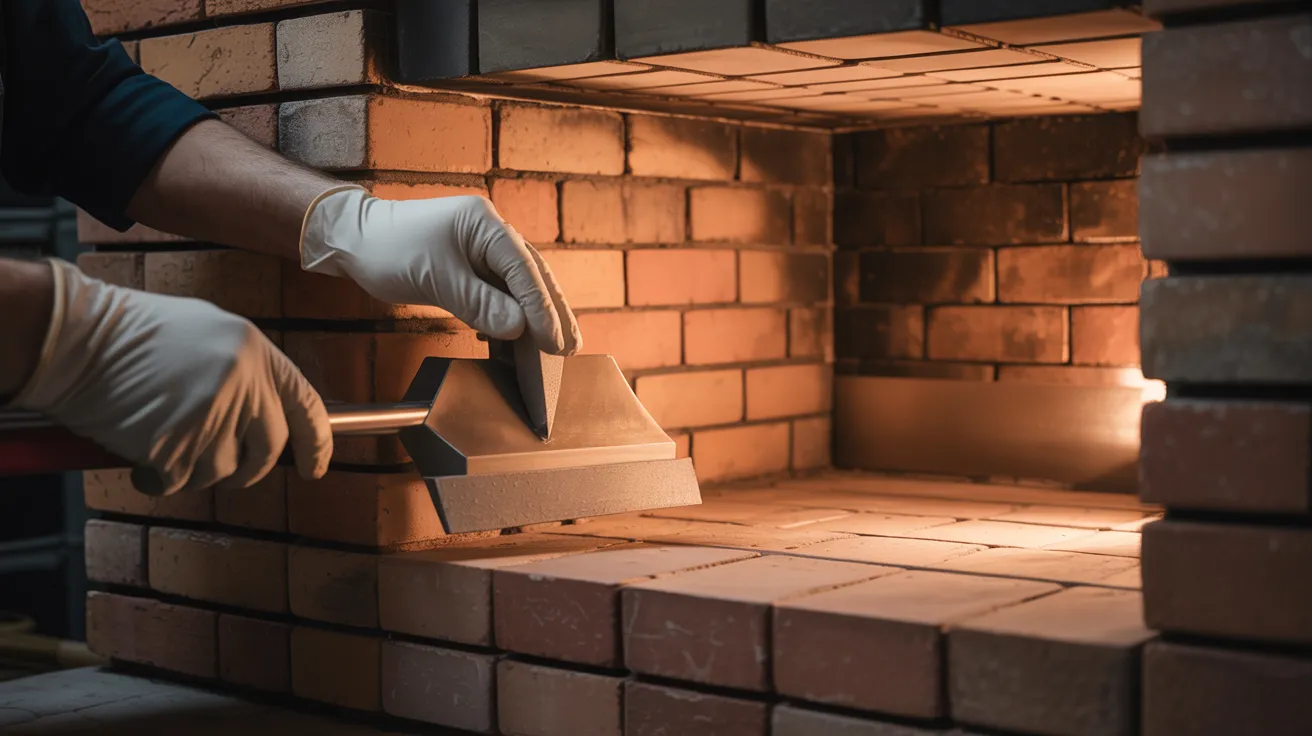
Critical Insights
- Certified Minnesota technicians carry out comprehensive NFPA 211-compliant chimney evaluations and cleaning, furnishing comprehensive inspection reports including photos and prioritized repair recommendations.
- Yearly Level I-II assessments check clearances, liners, draft, moisture indicators and document issues to decrease carbon monoxide and fire hazards.
- HEPA-contained soot extraction, creosote deposit evaluation, and draft testing operations ensure proper chimney draft and locate any openings at connection points and pipe fittings.
- Our repair and installation services include relining options with UL-listed stainless steel and ceramic materials, plus aluminum where codes permit, along with crown repair, damper improvements, and smoke chamber parging.
- Gas and wood system service comprises combustion testing, CO level checking, gasket and refractory inspection, and draft readings with detailed documentation.
Thorough Chimney Inspections and Cleanings
While your fireplace may draft well, a thorough chimney inspection and cleaning verifies safety, efficiency, and code compliance before the heating season. You plan annual inspections to assess clearances, examine liners, evaluate masonry, and verify proper termination. Professionals conduct soot removal with HEPA-contained tools, evaluate creosote stages, and document moisture indicators that raise fire risk. They execute smoke testing to verify continuous draft, identify leakage at joints or thimbles, and confirm appliance-to-flue sizing. We assess cap maintenance, confirming screens, crowns, and flashings deflect moisture, deter pests, and prevent freeze-thaw damage typical in Minnesota. We also inspect dampers and firestops, verify clearance to combustibles, and document defects with photos. You get a written, code-referenced report and detailed corrective actions.
Fireplace Services: Repairs, Installations & Relining
From damaged fireboxes to inadequate liners, we identify and repair defects that impact draft, efficiency, and safety. You receive a licensed team that complies with NFPA 211 and Minnesota Mechanical Code for each service we perform. We begin with thorough flue diagnostics and smoke testing to evaluate pressure patterns, leakage points, and flow paths before recommending solutions. Should the firebox, smoke chamber, or hearth requires reconstruction, we employ certified, nonflammable materials and maintain proper clearances to combustibles.
When performing relining, we carefully size and install UL-listed liner products - stainless steel, aluminum (where permitted), or ceramic - to align with system requirements and chimney dimensions. We perform damper upgrades with tight-sealing top-mounted or throat dampers to enhance performance and meet regulations. Lastly, we finalize new or retrofitted fireplaces, documenting measurements, draft readings, and as-built specifications.
Ensuring Safety, Efficiency, and Preventing Creosote
While safety and combustion efficiency are paramount, these factors influence creosote formation and safety concerns. You can lower risks by using properly seasoned wood, maintaining proper air flow, and ensuring correct chimney dimensions to your appliance output and connector size. Appropriate airflow management reduces smoke escape and reduces creosote buildup on cold flue walls. Mount a secure flue cap to prevent moisture, creatures, and reverse airflow that lower flue temperature and promote creosote formation. Maintain proper clearances to flammable surfaces as required by NFPA 211 and local regulations, and confirm damper operation for unrestricted movement.
Schedule once-a-year Level I or II evaluations, then clean as required based on buildup level. Track stack heat levels, smoke patterns, and carbon monoxide detectors. Resolve moisture intrusion, crown deterioration, and insulation gaps promptly to preserve safe, optimal operation.
Service Options for Wood, Gas, and Masonry Units
Because fuels and chimney types demand different care, you should align services with your system: wood-burning units call for NFPA 211 Level I-III inspections, sweeping to remove creosote to under 1/8 inch, door and gasket tune-ups, baffle and refractory checks, and new liner installation for damaged tiles or draft is undersized. For gas fireplaces and inserts, you'll need to schedule combustion analysis, burner cleaning, pilot and thermocouple/thermopile testing, manifold pressure checks, CO monitoring, glass sealing, and ventilation upgrades to meet manufacturer venting tables. Masonry chimneys require crown repair, tuckpointing, smoke chamber parging, spark arrestor and cap fitting, and liner sizing per appliance output. Arrange maintenance prior to the heating season, confirm clearances to combustibles, ensure proper make-up air, and implement outdoor air kits or power venting when negative pressure exists.
The Reasons Homeowners Rely on Local, Certified Technicians
Local, certified technicians earn your trust because they carefully implement NFPA 211, IRC/IMC guidelines and manufacturer specifications, reducing fire and CO hazards while maintaining warranties. Their verified local certifications, insurance, and ongoing education ensure your system receives comprehensive code-compliant inspections, cleaning, and repairs. These certified specialists confirm clearances to combustibles, flue sizing, connector pitch, and draft, then document defects with photos and written reports. They expertly fit listed liners, caps, and dampers in line with UL listings and manufacturer specifications, and thoroughly test CO alarms and combustion air. Client reviews consistently confirm their punctuality, transparent estimates, and clean job sites. In the end, you receive measurable performance: safer venting, fewer callbacks, and documented compliance that meets permitting and resale standards.
Popular Questions
Do You Provide Emergency Chimney Support During Winter Storms?
Yes, we offer emergency chimney services throughout winter storms. We provide 24/7 support with storm protocols that emphasize life safety, structural stability, and code compliance. You'll receive rapid triage, ventilation inspection, draft verification, CO monitoring, and provisional weatherproofing. Our team will remove obstructions, fasten caps, and isolate unsafe appliances according to NFPA 211 guidance. You'll get written findings, photos, and next-step recommendations, and we'll arrange follow-up repairs when conditions allow for safe, compliant work.
Which Minnesota Areas Do You Cover?
We cover the Twin Cities, metropolitan region and Northern suburbs within a regular 40-50 mile radius, including Minneapolis-St. Paul, Anoka, Blaine, Coon Rapids, Maple Grove, Woodbury, Eagan, and White Bear Lake. We also offer service to select exurbs by appointment. We adhere to NFPA 211 compliance, appropriate venting clearances, and safe access requirements. If you're outside our normal coverage area, we'll verify accessibility, travel costs, and compliance requirements ahead of arranging to make certain safe and code-compliant installation.
What Are the Scheduling Times for Peak Season Appointments?
During peak season, scheduling is typically available within 1-2 weeks, however scheduling options may be restricted during peak periods. We provide same-day service for urgent safety concerns like blockages, carbon monoxide alarms, or downdraft issues. If we can't accommodate your preferred timing, we'll place you on our waiting list, which operates based on safety priorities and order of request. For optimal service scheduling, make sure to specify your equipment type, venting materials, roof access details, and clearance information while arranging your appointment so we can assign the appropriate technician and equipment.
Are Written Estimates and Detailed Invoices Provided?
Certainly. You'll receive a detailed estimate before any work begins, containing a written breakdown of labor, materials, parts, and code-required fixes for full cost transparency. After the work is completed, you'll receive an comprehensive invoice that corresponds to the original quote and records any approved modifications. We strictly follow NFPA 211 and local code requirements, flagging safety concerns, and documenting all venting, clearance, and masonry details. We provide detailed cost breakdowns, necessary permit charges if required, and warranty coverage specifications.
What Discounts Are Available for Seniors and Multiple Services?
Yes, you can receive senior discounts and savings for bundled services. Think of your home like a finely-tuned system: when services are combined, effectiveness increases and expenses decrease. You'll be eligible for percentage-based savings on eligible services, implemented after code-compliant inspection findings. When you bundle chimney sweep, Level II inspection, and dryer-vent cleaning, we combine mobilization and safety checks, decreasing your total while following NFPA 211 standards. Ask for verification, ID requirements, and scheduling windows to lock in discounts.
Final Overview
One thing to know about chimneys: issues often go unnoticed until they become serious. Similar to electrical safety, don't compromise on chimney maintenance, draft, and CO detectors. Book your code-compliant inspections, vent cleaning Minnesota NFPA 211 cleanings, and proper chimney relining. This approach reduces creosote buildup, enhances efficiency, and ensures proper clearances and ventilation standards. No matter if you're using wood, gas, or masonry systems, our professional technicians will document any issues, conduct repairs to manufacturer specifications, and confirm proper ventilation. It's worth noting that safety comes from preparation - it's scheduled. Book your appointment today.